Tirtharaj Dash
Assistant Professor, CS, BITS Pilani, Goa Campus
PhD (BITS Pilani) → Postdoc (UC San Diego, Cambridge) → Faculty (BITS Pilani)
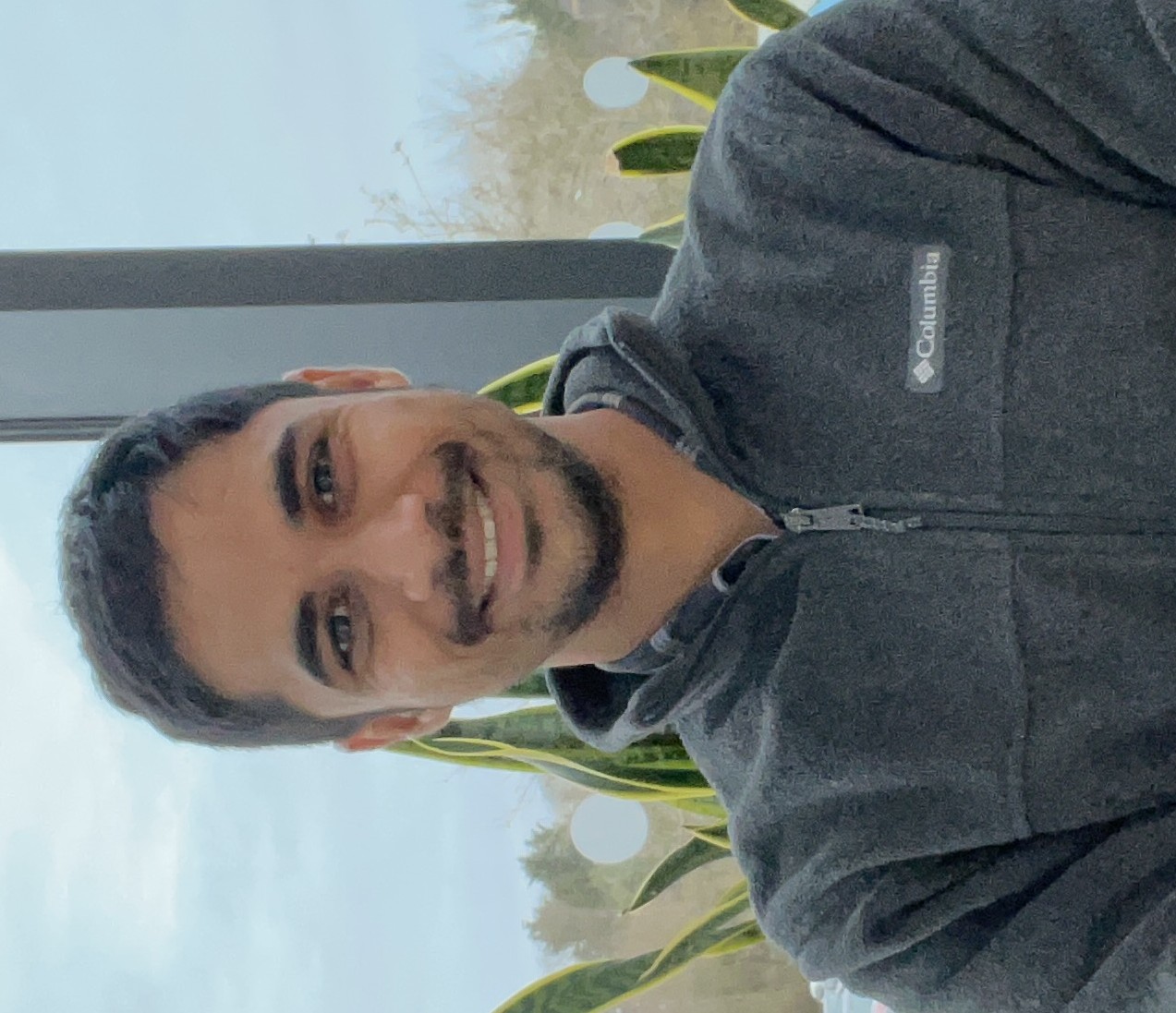
Office: CC-107
BITS Pilani, Goa Campus
Goa 403726, India
I am an Assistant Professor in the Department of Computer Science at BITS Pilani, K K Birla Goa Campus. My research is in Neurosymbolic AI, Deep Learning, and AI for Science, with applications primarily in chemistry and biology. I lead the MAHI Lab; see the lab site for research, openings, and team.
Before joining BITS Pilani, I was a Postdoctoral Research Associate at the University of Cambridge, UK, working with Susanne Bornelöv on AI for genomics, and a Postdoctoral Affiliate of Trinity College, Cambridge (now an alumnus). Earlier, I was a Postdoctoral Researcher at the University of California, San Diego, in the Boolean Lab with Professor Debashis Sahoo, applying AI and Boolean analysis to RNA-seq and single-cell data in cancer, inflammatory bowel disease, and macrophage biology.
I completed my PhD in Computer Science at BITS Pilani in July 2022, supervised by Senior Professor Ashwin Srinivasan. My thesis, “Inclusion of Symbolic Domain-Knowledge into Deep Neural Networks”, developed methods for building deep neural networks from relational data and symbolic domain knowledge, with applications in drug discovery. See this page for more.
I hold an M.Tech in Computer Science from VSSUT, Burla (2014) and a B.Tech in Information Technology from NIST Berhampur (2012), with a Silver Medal in both.
View my Curriculum Vitae and Google Scholar profile.
latest news
| Oct 5, 2026 | Awarded the International Travel Support (ITS) grant by ANRF, to present our paper “BIRDNet” at ACM CIKM 2026 in Rome, Italy! |
|---|---|
| Sep 4, 2026 | Aarush got a paper accepted at GroundLM @ EMNLP 2026: [Paper]. Congratulations! |
| Aug 7, 2026 | Our BIRDNet paper got accepted at CIKM 2026. |
| Jul 27, 2026 | Our paper on Symbolic Neural Generation got accepted at MLJ. |
| Jun 9, 2026 | ⚠️ OFFICIAL PUBLIC NOTICE ON SOCIAL MEDIA IMPERSONATION: Read here. |